 English
Views: 0 Author: Site Editor Publish Time: 2025-10-21 Origin: Site


Selecting the right underlayment transforms SPC flooring performance. IXPE underlayment suits residential projects where comfort and sound reduction matter most. XPS underlayment excels in high-moisture areas requiring maximum stability and compression resistance.
The flooring underlayment market continues to expand, with applications in residential, commercial, and industrial spaces. Both IXPE and XPS materials offer distinct advantages for different installation scenarios.
This guide helps readers quickly determine which SPC flooring underlay fits their project requirements.
IXPE underlayment is ideal for residential spaces where acoustic performance and thermal comfort are priorities.
XPS underlayment excels in moisture-prone basements and areas requiring superior compression resistance.
IXPE offers excellent sound dampening, reducing impact noise transmission between floors.
XPS features a rigid structure that provides maximum support under heavy furniture and appliances.
Both materials are easy to install, but XPS requires more precise subfloor preparation.
Consider project needs carefully; IXPE is better for comfort-focused applications, while XPS is best for structural stability.
Budget constraints matter; IXPE is generally more affordable per square foot.
Both underlayment types protect SPC flooring from subfloor imperfections and extend floor lifespan.
IXPE underlayment, or Irradiation Cross-Linked Polyethylene foam, features an advanced cellular structure engineered for resilience and recovery. Manufacturers produce IXPE by exposing polyethylene foam to electron beam radiation, creating cross-linked molecular bonds. This process creates a closed-cell foam that resists compression while maintaining flexibility. The thickness of IXPE underlayment typically ranges from 1.5mm to 3mm, with 2mm being the most common specification for residential SPC flooring applications.
The cross-linking process strengthens the material's internal structure. Each cell within the foam becomes interconnected at the molecular level, which prevents permanent compression and enables the material to recover its shape after weight is removed. This resilience makes IXPE underlayment suitable for areas with moderate foot traffic and standard furniture loads.
Tip: The following table summarizes standard IXPE types and their construction characteristics.
| Type of IXPE | Thickness Range | Construction Method |
Standard Grade | 1.5mm to 2mm | Suitable for residential installations with moderate traffic |
Premium Grade | 2mm to 3mm | Enhanced density for improved sound dampening and durability |
Vapor Barrier Integrated | 2mm to 3mm | Includes moisture barrier layer for concrete subfloors |
Construction Method | N/A | Produced by irradiation cross-linking of polyethylene foam, creating closed-cell structure |
IXPE underlayment stands out for its acoustic performance in residential environments. The flexible cellular structure absorbs impact energy, reducing noise transmission between floors. The material provides thermal insulation, creating a warmer walking surface in cold climates. Compression recovery allows IXPE to maintain its thickness and cushioning properties throughout its service life.
Moisture resistance reaches adequate levels for most interior applications, though IXPE is not fully waterproof. The closed-cell structure limits water penetration, protecting subfloors from minor spills. Chemical stability ensures IXPE resists degradation from cleaning products and environmental factors. Installation simplicity remains a key advantage, with IXPE cutting easily and rolling out smoothly.
| Feature | Description |
Acoustic Performance | Superior sound dampening reduces impact noise transmission<br>Closed-cell structure absorbs vibration and footstep sounds<br>Ideal for multi-story residential buildings<br>Improves living comfort in apartments and condos |
Thermal Insulation | R-value of 0.5-0.7 provides noticeable warmth<br>Reduces heat loss through flooring<br>Creates comfortable barefoot walking surface<br>May contribute to heating cost savings |
Flexibility | Conforms to minor subfloor irregularities<br>Reduces need for extensive floor leveling<br>Simplifies installation process<br>Prevents stress on SPC flooring locking systems |
Lightweight | Easy to handle and transport<br>Reduces installer fatigue<br>Allows faster project completion<br>Simplifies DIY installations |
Installers select IXPE underlayment for various residential settings. The material performs well in bedrooms, where acoustic comfort enhances sleep quality. Living rooms benefit from IXPE's cushioning effect, creating a softer feel underfoot. Dining areas with moderate traffic find IXPE adequate for daily use. Second-story installations rely on IXPE to minimize noise complaints from neighbors below.
Apartments and condominiums represent ideal applications for IXPE underlayment. The sound-dampening properties address a primary concern in multi-family buildings. Home offices use IXPE to reduce chair rolling noise and improve acoustic privacy. Hallways with standard foot traffic maintain performance with IXPE support.
While IXPE offers many advantages, XPS underlayment provides greater compression resistance and moisture protection for projects requiring maximum structural stability or exposure to persistent dampness.
Note: IXPE underlayment remains a popular choice for comfort-focused residential projects, offering an excellent balance of performance and value.
Bedrooms and living rooms
Second-story installations
Apartments and condominiums
Home offices
Standard residential hallways
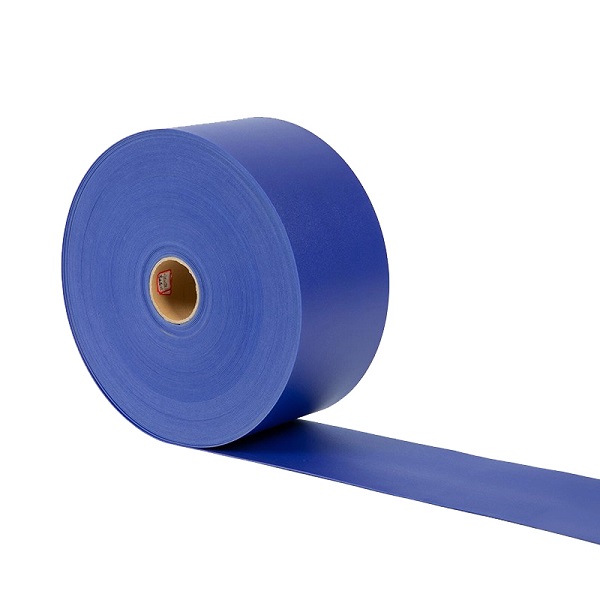
XPS underlayment stands out for its rigid, high-density construction. Manufacturers produce these boards by extruding polystyrene resin through a die, then expanding it with blowing agents. The extrusion process creates a uniform closed-cell structure with consistent density throughout. The thickness of XPS underlayment typically ranges from 1.5mm to 5mm, with 3mm being common for SPC flooring installations. Leading manufacturers maintain tight dimensional tolerances, ensuring uniform performance across every panel.
| Manufacturer Type | Thickness Range | Structural Composition |
Standard XPS | 1.5mm to 3mm | Extruded polystyrene with uniform closed-cell structure |
Heavy-Duty XPS | 3mm to 5mm | Higher density formulation for commercial applications |
Vapor Barrier XPS | 2mm to 3mm | Includes integrated moisture barrier for below-grade installations |
Note: The rigid structure of XPS underlayment eliminates the need for additional support layers, reducing installation complexity.
XPS underlayment offers superior compression strength compared to IXPE underlayment and other foam-based products. The dense structure supports concentrated loads without permanent deformation, making it ideal for heavy furniture and appliance areas. The board resists moisture infiltration completely, providing an effective vapor barrier for concrete subfloors. Its self-supporting nature maintains consistent floor height across large installations. The uniform density guarantees identical performance at every point on the floor.
Manufacturers design XPS for applications demanding maximum structural stability. The material resists freeze-thaw cycles in transitional spaces like sunrooms or enclosed porches. Chemical resistance allows XPS to perform reliably in laundry rooms and utility areas. UV stability ensures the material does not degrade during storage or in naturally lit spaces before installation.
Rigid structure for maximum load support
Complete moisture barrier protection
Superior compression resistance prevents floor settling
Uniform density throughout every panel
Dimensional stability across temperature variations
Long-term performance in demanding environments
Contractors select XPS underlayment for challenging installation environments. The material excels in basements, where moisture concerns require absolute protection. Ground-floor installations over concrete slabs benefit from XPS's vapor barrier properties. Commercial spaces with heavy foot traffic rely on XPS structural support. Kitchen installations protect against appliance loads and potential water exposure.
Bathroom renovations specify XPS for its moisture resistance and stability. Laundry rooms with washing machines require XPS compression strength. Sunrooms and three-season porches use XPS to handle temperature variations. Garage conversions to living spaces need XPS protection against concrete moisture. High-end residential projects choose XPS for maximum performance and longevity.
| Application Type | Description |
Basement Flooring | Complete moisture protection for below-grade installations |
Kitchen Installations | Supports heavy appliances while resisting water exposure |
Bathroom Renovations | Provides stable, moisture-proof foundation |
Commercial Spaces | Handles high traffic loads and demanding use patterns |
Garage Conversions | Protects against concrete moisture in living space upgrades |
Laundry Rooms | Supports appliance weight and resists humidity |
Ground Floor Over Concrete | Creates effective vapor barrier for slab installations |
Sunrooms and Porches | Maintains stability through temperature fluctuations |
Tip: XPS underlayment provides a versatile solution for both moisture-prone and high-load applications, outperforming IXPE underlayment in structurally demanding environments.
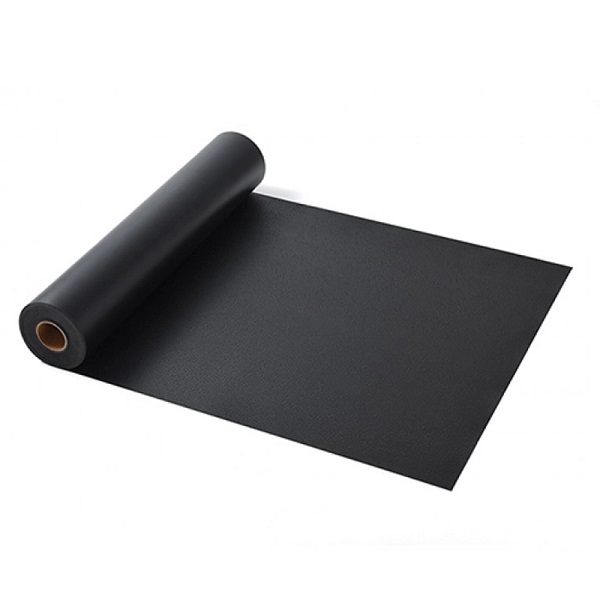
Load-bearing capacity defines a critical difference between IXPE and XPS products. XPS underlayment features a rigid structure that maintains its thickness under concentrated loads. According to industry testing standards, standard XPS achieves compression strength of 15-25 PSI, with heavy-duty formulations reaching 40 PSI or higher without permanent deformation. This characteristic prevents floor sagging under refrigerators, pianos, or loaded bookcases. The material's density ensures consistent support across decades of use.
IXPE underlayment, while resilient, shows greater compression under sustained heavy loads. The foam structure provides cushioning but may compress permanently in areas with extreme weight concentration. Standard furniture loads present no issue, but installers recommend protective pads under very heavy items. For residential applications with typical furnishings, IXPE compression resistance proves adequate.
Facility managers in commercial settings report fewer floor stability issues when specifying XPS for high-load areas. Residential installers find IXPE suitable for bedrooms and living areas where concentrated loads remain moderate. The performance comparison shows XPS excels where compression resistance is critical for long-term floor integrity.
Tip: For projects with heavy appliances or concentrated loads exceeding 500 pounds, XPS underlayment offers superior protection and structural stability.
Sound transmission reduction separates these materials significantly. IXPE underlayment achieves Impact Insulation Class (IIC) ratings between 59-78, depending on thickness and density, with most 2-3mm products rating 66-72. The flexible foam structure absorbs footstep impact energy before it transmits through floor assemblies. Multi-story residents notice dramatic noise reduction compared to installations without quality underlayment.
XPS underlayment provides baseline acoustic performance with IIC ratings typically between 60-64. The rigid structure reflects more sound energy than it absorbs, limiting noise dampening effectiveness. While XPS reduces sound transmission compared to no underlayment, it cannot match IXPE's acoustic capabilities.
Acoustic testing per ASTM E492 standards in residential buildings demonstrates measurable differences. Occupants below floors with IXPE underlayment report significantly less noise disturbance from footsteps, dropped objects, and furniture movement. XPS installations show improvement over direct SPC installation but maintain higher noise transmission levels.
| Material | IIC Rating | Best Acoustic Application |
IXPE Underlayment | 59-78 (typically 66-72 for 2-3mm) | Multi-family buildings, second-story installations |
XPS Underlayment | 60-64 | Single-family homes, commercial spaces where noise is secondary |
Users in apartments, condominiums, and townhomes value IXPE's superior sound control. Building codes typically require minimum IIC 50 ratings for multi-family dwellings, but many projects target IIC 60-70 for occupant comfort. Single-family homeowners often prioritize other factors over maximum acoustic performance. The performance comparison confirms IXPE as the preferred choice when noise reduction represents a primary concern.
Insulation value affects comfort and energy efficiency. IXPE underlayment provides modest thermal insulation with an R-value of approximately 0.15-0.3 for standard 2mm products. While this creates a slight thermal break, the insulation benefit is limited compared to dedicated insulation products.
XPS underlayment offers significantly better thermal insulation with R-values of 1.5 per inch of thickness. A 3mm (0.12 inch) XPS underlayment provides an R-value of approximately 0.6-0.7, considerably better than IXPE for the same thickness. This superior thermal resistance creates noticeably warmer floors, particularly over concrete subfloors or unheated spaces.
Temperature measurements show floors over XPS underlayment maintaining warmer surface temperatures than those over IXPE in identical conditions, particularly in basement installations. This thermal advantage improves barefoot comfort and reduces heating costs in cold climates.
Both materials require minimal maintenance, saving time and costs in long-term floor care. Surfaces resist typical household conditions and maintain performance throughout their service life. IXPE stands out in comfort-focused residential applications. XPS performs optimally in stability-critical and moisture-prone environments.
The performance comparison confirms that both IXPE underlayment and XPS underlayment serve specific project needs effectively. Selection depends on prioritizing acoustic comfort, structural support, or moisture protection based on installation environment and usage patterns.
IXPE underlayment offers practical moisture resistance for standard interior applications. The closed-cell foam structure limits water penetration, protecting subfloors from typical household spills and ambient humidity. Manufacturers design IXPE to handle the moisture levels found in climate-controlled living spaces. However, testing and warranty information reveal important limitations for extreme moisture exposure.
IXPE performs well in bedrooms, living rooms, and second-story installations where humidity remains controlled. The material resists damage from occasional spills when cleaned promptly. In areas with moderate humidity fluctuations, such as main-floor living spaces, IXPE maintains its structural integrity and cushioning properties.
Extended exposure to standing water or persistent high humidity may affect IXPE performance. The foam can absorb moisture at its seams or through minor manufacturing variations. Installers recommend using vapor barriers over concrete subfloors when installing IXPE underlayment. This additional protection prevents ground moisture from reaching the underlayment and SPC flooring.
Facility managers specify IXPE for upper-level installations and climate-controlled commercial spaces. In environments where moisture exposure remains minimal and predictable, IXPE provides adequate protection while delivering superior acoustic and thermal benefits.
Tip: Always verify subfloor moisture levels before installing IXPE underlayment, especially over concrete. Use a moisture meter to ensure readings fall within manufacturer specifications.
XPS underlayment stands as the preferred choice for high-moisture and below-grade installations. Its closed-cell structure creates an impermeable barrier, preventing water vapor transmission from concrete slabs or ground moisture. The material maintains its structural properties even when exposed to sustained dampness, making it highly effective where moisture resistance is essential.
| Feature | Application Benefit |
Waterproof Core | Protects against ground moisture in basements |
Vapor Barrier Properties | Eliminates need for separate moisture barriers |
Dimensional Stability | Maintains thickness and support in humid conditions |
Mold Resistance | Prevents biological growth in damp environments |
| Performance Feature | Critical Application |
Zero water absorption | Essential for below-grade installations |
Permanent vapor barrier | Protects SPC flooring from subfloor moisture |
Humidity resistance | Maintains performance in bathrooms and laundry rooms |
Contractors specify XPS underlayment for basements, where ground moisture presents constant challenges. Bathroom and laundry room installations benefit from XPS's complete moisture protection. Ground-floor installations over concrete slabs require XPS's vapor barrier properties to prevent moisture-related flooring failures. The material performs reliably in coastal climates and humid regions where ambient moisture levels run high year-round.
Testing confirms XPS maintains its compression strength and dimensional stability even after prolonged moisture exposure. Unlike materials that swell or degrade when wet, XPS continues supporting floor loads and protecting subfloors. This durability makes XPS a reliable solution for both residential and commercial projects where moisture represents a significant concern.
Designers select XPS underlayment for kitchens, where appliance leaks and spills pose ongoing risks. Mudrooms and entryways exposed to tracked-in moisture rely on XPS protection. Sunroom installations over concrete slabs need XPS to manage condensation risks. The material's moisture resistance ensures long-term floor stability in challenging environments where IXPE underlayment might show limitations.
Proper subfloor preparation determines installation success regardless of underlayment choice. Both IXPE and XPS require clean, dry, and level substrates meeting manufacturer flatness specifications. Installers must remove all debris, dust, and adhesive residue before laying underlayment. Concrete subfloors need moisture testing to ensure readings fall within acceptable limits.
IXPE underlayment tolerates minor subfloor irregularities better than rigid materials. Its flexible nature conforms to variations up to 3/16 inch over 10 feet, reducing leveling requirements. This characteristic saves preparation time and material costs on subfloors with minor imperfections. However, significant deviations still require correction to prevent SPC flooring issues.
XPS underlayment demands more precise floor flatness due to its rigid structure. Installers must level subfloors to within 3/16 inch over 10 feet, matching SPC flooring manufacturer requirements. The board does not conform to dips or humps, potentially telegraphing imperfections through the finished floor. Additional floor preparation ensures optimal XPS performance.
Concrete subfloors require moisture barriers when readings exceed manufacturer specifications. Some XPS products include integrated vapor barriers, eliminating separate installation steps. IXPE installations over concrete typically need 6-mil polyethylene sheeting as a moisture barrier. Proper preparation prevents long-term moisture damage to both underlayment and SPC flooring.
IXPE underlayment installation follows straightforward procedures. Installers roll out the material perpendicular to SPC flooring direction, creating a cushioned foundation. Sheets butt tightly together without gaps or overlaps. Aluminum foil tape or similar moisture-resistant tape seals seams, preventing shifting during flooring installation. The material cuts easily with utility knives, allowing precise fitting around room perimeters and obstacles.
XPS underlayment requires careful measurement and cutting for proper fit. The rigid boards score and snap along straight lines or cut with fine-tooth saws for curved profiles. Installers must maintain tight seams between panels to prevent movement and ensure uniform floor height. Tape specifically designed for XPS bonds seams effectively, creating a continuous moisture barrier.
Both materials require proper expansion gaps at room perimeters. IXPE compresses slightly, so installers maintain standard SPC flooring expansion requirements. XPS's rigid nature demands precise gap calculation to accommodate seasonal movement. Neither material should extend under baseboards or into doorways where it might compress or shift.
Acclimation procedures differ between materials. IXPE underlayment adapts quickly to room conditions, requiring minimal waiting time before installation. XPS should acclimate to room temperature for 24-48 hours, especially when moving from cold storage to warm installation areas. This prevents dimensional changes during installation.
| Installation Step | IXPE Underlayment | XPS Underlayment |
Subfloor Flatness | Tolerates minor irregularities | Requires precise leveling |
Cutting Method | Utility knife, scissors | Score and snap, fine-tooth saw |
Seam Treatment | Aluminum foil tape | XPS-specific seam tape |
Acclimation Time | Minimal, 2-4 hours | 24-48 hours recommended |
Moisture Barrier | Usually requires separate barrier | Often includes integrated barrier |
Installers sometimes overlap underlayment seams, creating uneven floor height. Proper technique requires tight butt joints without gaps or overlaps. Skipping seam taping allows underlayment movement during SPC installation, potentially causing floor gaps or buckling. Every seam needs secure taping for optimal performance.
Using IXPE underlayment over wet concrete causes long-term moisture problems. Installers must verify subfloor dryness with moisture meters before proceeding. Installing XPS without proper acclimation results in gaps or buckling as the material adjusts to room temperature. Following manufacturer acclimation guidelines prevents these issues.
Failing to extend vapor barriers properly under walls creates moisture entry points. Vapor barriers should extend 3-6 inches up wall perimeters before trimming. Compressing underlayment excessively around room edges affects its performance and can damage SPC flooring locking systems. Maintaining proper expansion gaps ensures long-term floor stability.
Tip: Document subfloor moisture readings and preparation steps. This record provides valuable reference if floor issues arise and supports warranty claims if necessary.
Material cost represents the first consideration in underlayment selection. IXPE underlayment typically ranges from $0.35 to $0.65 per square foot, depending on thickness and quality grade. Standard 2mm IXPE costs approximately $0.45 per square foot, while premium 3mm versions reach $0.60 per square foot. Bulk purchases and contractor pricing often reduce these costs by 15-20 percent.
XPS underlayment commands higher prices due to its manufacturing process and performance characteristics. Material costs range from $0.55 to $1.00 per square foot. Standard 3mm XPS averages $0.70 per square foot, with heavy-duty commercial grades approaching $0.90 per square foot. The price premium reflects XPS's superior compression resistance and moisture protection.
For a typical 1,000 square foot installation, material costs differ significantly. IXPE underlayment totals approximately $450-$650 for the project. XPS underlayment costs $550-$1,000 for the same area. This $100-$350 difference influences budget-conscious projects, especially large residential installations or multi-unit developments.
| Material Type | Cost Per Square Foot | 1,000 SF Project Cost |
Standard IXPE (2mm) | $0.40 - $0.50 | $400 - $500 |
Premium IXPE (3mm) | $0.55 - $0.65 | $550 - $650 |
Standard XPS (3mm) | $0.65 - $0.75 | $650 - $750 |
Heavy-Duty XPS (5mm) | $0.85 - $1.00 | $850 - $1,000 |
Project managers should evaluate material pricing within the context of total project requirements. IXPE offers cost savings for residential installations where maximum compression resistance and moisture protection are not critical. XPS justifies higher material costs in basements, commercial spaces, or moisture-prone areas where performance demands exceed IXPE capabilities.
Labor expenses vary based on material characteristics and subfloor conditions. IXPE underlayment installs quickly due to its flexibility and ease of handling. Professional installers typically charge $0.50-$0.75 per square foot for IXPE installation, including seam taping and basic subfloor preparation. The material's forgiving nature reduces installation time, contributing to lower labor costs.
XPS underlayment requires more precise installation techniques. The rigid boards demand accurate cutting and careful fitting around room perimeties. Professional installation costs range from $0.65-$0.95 per square foot. Additional time spent achieving proper fit and seam treatment increases labor expenses. However, XPS's self-supporting nature eliminates substrate preparation in some applications, potentially offsetting higher installation costs.
DIY installations favor IXPE underlayment due to its user-friendly characteristics. Homeowners with basic tools and skills complete IXPE installation successfully, saving professional labor costs entirely. XPS installation presents more challenges for DIY projects, particularly in rooms with complex layouts or numerous obstacles. Many homeowners choose professional installation for XPS to ensure proper performance.
| Installation Type | IXPE Cost Per SF | XPS Cost Per SF |
Professional Installation | $0.50 - $0.75 | $0.65 - $0.95 |
DIY Installation | $0 (material only) | $0 (material only, more challenging) |
Complex Room Layout | $0.75 - $1.00 | $0.95 - $1.25 |
Combined material and installation costs reveal the total investment difference. A 1,000 square foot professional IXPE installation totals $900-$1,400. The same XPS project costs $1,215-$1,950. This $300-$550 difference influences project budgets significantly, especially for whole-home installations or commercial builds.
Long-term value extends beyond initial costs to include durability, maintenance, and potential replacement expenses. IXPE underlayment provides 10-15 years of reliable performance in residential applications with moderate traffic. The material maintains its acoustic and cushioning properties throughout its service life when properly installed. Replacement becomes necessary only if water damage occurs or the floor undergoes renovation.
XPS underlayment delivers 15-20+ years of performance in demanding environments. The rigid structure resists permanent compression, maintaining floor stability indefinitely. In moisture-prone basements or high-traffic commercial spaces, XPS's extended lifespan justifies its higher initial cost. Facility managers report minimal issues with XPS installations even after decades of service.
Maintenance costs remain low for both materials. Neither requires special care beyond normal floor cleaning. IXPE's superior acoustic performance adds value in multi-family buildings by reducing neighbor complaints and potential conflicts. XPS prevents moisture-related floor failures, avoiding costly repairs to both flooring and subfloors.
Energy efficiency provides subtle long-term savings. IXPE's slightly superior thermal insulation reduces heating costs in cold climates, potentially saving $20-50 annually in well-insulated homes. These savings accumulate over the underlayment's lifespan, partially offsetting the initial investment.
| Value Factor | IXPE Underlayment | XPS Underlayment |
Expected Lifespan | 10-15 years | 15-20+ years |
Maintenance Requirements | Minimal | Minimal |
Moisture Damage Risk | Moderate (in wet areas) | Very Low |
Energy Efficiency | Good thermal insulation | Moderate thermal insulation |
Replacement Likelihood | Possible in moisture-prone areas | Rare even in demanding conditions |
Project owners should calculate total lifecycle costs rather than focusing solely on upfront expenses. IXPE offers excellent value for residential installations prioritizing comfort and acoustics. XPS provides superior long-term value in basements, commercial spaces, or any application where moisture protection and structural stability are paramount. The right choice depends on specific project conditions and performance priorities.
Every flooring project begins with thorough environment evaluation. Installers must identify moisture levels, temperature variations, and structural conditions before selecting underlayment. Concrete subfloors require moisture testing with calcium chloride tests or electronic meters. Readings above 3 pounds per 1,000 square feet in 24 hours indicate need for XPS underlayment or additional moisture mitigation.
Below-grade installations, including basements and ground-floor slabs, face persistent moisture challenges. Ground water vapor transmission continues indefinitely, making XPS underlayment the logical choice for these applications. The material's complete vapor barrier protection prevents moisture from reaching SPC flooring, eliminating edge curl and plank separation issues.
Above-grade installations in climate-controlled spaces present fewer moisture concerns. IXPE underlayment performs excellently in second-story bedrooms, living rooms, and similar areas. The flexible foam provides superior acoustic and thermal benefits without moisture protection overkill. Multi-family buildings particularly benefit from IXPE's noise reduction capabilities.
Temperature considerations influence underlayment selection. Spaces above unconditioned crawl spaces or garages need enhanced thermal insulation. IXPE's higher R-value creates warmer floors and improved comfort. Sunrooms and three-season porches require XPS's dimensional stability to handle temperature fluctuations without performance degradation.
Assessment Checklist:
Measure subfloor moisture levels with appropriate testing equipment
Identify below-grade, on-grade, or above-grade installation location
Evaluate ambient humidity levels and seasonal variations
Determine presence of radiant heating systems
Assess temperature stability and exposure to temperature extremes
Document any history of moisture problems or flooding
Consider space usage patterns and occupancy schedules
Floor loading patterns determine required compression resistance. Residential spaces typically involve furniture loads between 50-200 pounds per square foot. Standard dining chairs, sofas, and beds create distributed loads that both IXPE and XPS handle effectively. IXPE underlayment proves adequate for these typical residential applications.
Concentrated heavy loads demand careful consideration. Refrigerators, pianos, gun safes, and aquariums create focused pressure exceeding 300-500 pounds on small footprints. XPS underlayment prevents permanent compression and floor settling under these loads. Installers should map heavy item locations and specify XPS for those areas or throughout the space.
Commercial applications present elevated performance requirements. Retail stores, office buildings, and hospitality spaces experience constant foot traffic and wheeled cart movement. XPS underlayment maintains floor stability under these demanding conditions. The rigid structure prevents underlayment compression that would affect SPC flooring integrity over time.
Dynamic loading from exercise equipment, rolling office chairs, or material handling equipment favors XPS selection. The material resists repetitive stress without permanent deformation. Home gyms, workshops, and active office spaces benefit from XPS structural support.
| Space Type | Typical Load | Recommended Underlayment |
Bedroom | 50-100 lbs/SF | IXPE or XPS |
Living Room | 75-150 lbs/SF | IXPE or XPS |
Kitchen (with appliances) | 150-400 lbs/SF | XPS preferred |
Home Office | 100-200 lbs/SF | IXPE or XPS |
Commercial Retail | 150-300 lbs/SF | XPS recommended |
Warehouse/Storage | 300-500+ lbs/SF | XPS required |
Different projects prioritize various performance characteristics. Understanding these priorities guides underlayment selection toward optimal outcomes. Acoustic performance ranks highest in multi-family residential buildings, where noise complaints affect resident satisfaction and property values. IXPE underlayment delivers superior sound dampening, making it the clear choice for apartments and condominiums.
Moisture protection becomes paramount in below-grade installations and humid climates. Basement family rooms, ground-floor kitchens, and coastal properties require XPS underlayment to prevent moisture-related failures. The investment in superior moisture protection prevents costly floor replacements and potential mold issues.
Comfort and warmth matter most in barefoot living spaces. Bedrooms, nurseries, and casual living areas benefit from IXPE's thermal insulation and cushioned feel. The material creates an inviting floor surface that enhances daily living comfort. Families with young children particularly appreciate the softer landing IXPE provides.
Structural stability and longevity drive commercial project decisions. Business owners need flooring systems that require minimal maintenance and deliver decades of reliable performance. XPS underlayment meets these demands in retail, office, and hospitality applications. The material's compression resistance ensures floors remain level and stable throughout their service life.
Priority Ranking Framework:
For Multi-Family Residential:
Acoustic performance (IXPE advantage)
Comfort and warmth (IXPE advantage)
Cost-effectiveness (IXPE advantage)
Moisture resistance (adequate with both)
For Below-Grade Installations:
Moisture protection (XPS advantage)
Structural stability (XPS advantage)
Longevity (XPS advantage)
Installation cost (higher for XPS)
For Commercial Applications:
Compression resistance (XPS advantage)
Durability (XPS advantage)
Low maintenance (both adequate)
Acoustic performance (IXPE advantage if needed)
Project budgets constrain material selection while value considerations drive long-term satisfaction. IXPE underlayment offers excellent cost-performance ratio for residential installations. The material delivers necessary protection and enhanced comfort at accessible price points. Large projects, including whole-home installations, benefit from IXPE's lower material costs without sacrificing appropriate performance.
XPS underlayment represents a long-term investment in structural stability and moisture protection. The higher initial cost distributes across the installation's 15-20+ year lifespan, reducing the annual cost difference significantly. In challenging environments, XPS prevents expensive repairs and replacements that would overwhelm initial savings from cheaper alternatives.
Cost-conscious projects should evaluate specific room requirements rather than specifying one material throughout. Combining IXPE in bedrooms and living areas with XPS in bathrooms, kitchens, and basements optimizes both performance and budget. This hybrid approach delivers appropriate protection in each space while managing total project costs.
Contractor relationships and volume pricing influence material costs significantly. Professional installers often obtain better pricing than retail customers, narrowing the cost gap between IXPE and XPS. Project managers should request quotes for both materials to understand actual cost differences for their specific project.
Budget Decision Guide:
Choose IXPE When:
Project budget is constrained
Installation is above-grade in climate-controlled space
Acoustic performance is high priority
Loads are typical residential furniture
DIY installation is planned
Choose XPS When:
Installation is below-grade or moisture-prone
Heavy loads or commercial traffic expected
Long-term performance justifies higher initial cost
Structural stability is critical
Maximum moisture protection required
Professional installers follow specific techniques for optimal IXPE performance. The material unrolls easily across prepared subfloors, with installers working systematically from one wall to adjacent walls. Proper technique involves smoothing the material to remove wrinkles or air pockets before securing seams. Sharp utility knives or heavy-duty scissors cut IXPE cleanly around room perimeters and obstacles.
Seam placement requires strategic planning. Installers position seams perpendicular to SPC flooring plank direction, preventing alignment with flooring joints. This arrangement distributes stress across the underlayment rather than concentrating it at single points. Seams should never align with doorways or high-traffic pathways where concentrated stress occurs.
Aluminum foil tape creates moisture-resistant seam bonds. Installers apply 2-3 inch wide tape centered over butt joints, pressing firmly to ensure complete adhesion. Quality tape application prevents moisture infiltration and keeps underlayment sections from separating during flooring installation. Some premium IXPE products include integrated adhesive strips, simplifying seam sealing.
Room perimeter treatment affects long-term performance. IXPE should extend to within 1/4 inch of walls, leaving space for baseboard installation while preventing underlayment compression. Material extending under baseboards can compress unevenly, telegraphing through the finished floor. Precise cutting creates clean edges that support proper expansion gap maintenance.
Professional Installation Tips:
Acclimate IXPE to room temperature for 2-4 hours before installation
Use sharp blades to prevent ragged cuts that complicate fitting
Smooth material completely before taping seams
Verify vapor barrier coverage over concrete before laying IXPE
Maintain consistent expansion gaps around all fixed objects
Document installation with photos for warranty purposes
XPS installation demands precision and attention to dimensional accuracy. The rigid boards score easily with utility knives, then snap along scored lines for straight cuts. Complex cuts around doorways, cabinets, or plumbing require fine-tooth saws or oscillating multi-tools. Clean cuts ensure tight seams that maintain the continuous moisture barrier.
Board layout planning minimizes waste and optimizes structural support. Installers stagger board seams in running bond patterns, similar to SPC flooring installation. This arrangement prevents long continuous seams that might create weak points or height variations. Strategic planning reduces material waste while ensuring maximum floor stability.
XPS-specific seam tape provides moisture-tight bonds between boards. Unlike standard tape, XPS tape adheres strongly to the board's smooth surface, creating permanent seams. Installers apply tape with pressure rollers or by hand-pressing along entire seam lengths. Complete seam coverage maintains vapor barrier integrity essential for moisture protection.
Integrated vapor barrier products simplify installation. These XPS boards include moisture barriers bonded to one or both surfaces, eliminating separate vapor barrier steps. Installers simply seal board seams with appropriate tape, completing moisture protection in a single step. This streamlined approach reduces installation time while ensuring proper moisture management.
Doorway transitions require careful attention. XPS must terminate cleanly at doorways without extending into adjacent rooms with different flooring types. Transition moldings cover these termination points while accommodating expansion gaps. Installers should never compress XPS under door jambs or casings where it cannot expand freely.
Professional Installation Tips:
Acclimate XPS to room temperature for 24-48 hours minimum
Score deeply enough to snap cleanly without ragged edges
Use pressure rollers for superior seam tape adhesion
Plan board layout before cutting to minimize waste
Maintain precise expansion gaps as rigid material cannot compress
Verify complete vapor barrier coverage with no gaps or tears
Professional installations include verification steps ensuring long-term performance. Installers check subfloor flatness in multiple locations, documenting readings that confirm compliance with specifications. Moisture testing results are recorded and retained for warranty validation. These measurements provide baseline data for addressing any future concerns.
Underlayment inspection confirms proper installation before SPC flooring installation begins. Installers verify all seams are taped securely, with no gaps or loose sections. The underlayment surface should be smooth without wrinkles, folds, or trapped debris. Any defects are corrected before proceeding to prevent flooring installation problems.
Expansion gap verification ensures adequate space at all room perimeters and fixed objects. Installers measure gaps at multiple locations, confirming consistency around the installation. Proper gaps prevent underlayment compression while supporting SPC flooring expansion requirements. Documentation photographs capture proper gap maintenance for future reference.
Final inspection includes walking the entire floor area, feeling for any irregularities or soft spots. Professional installers identify and correct issues immediately rather than allowing them to affect flooring installation. This quality control step prevents callbacks and ensures customer satisfaction.
Both IXPE and XPS underlayment require minimal maintenance once SPC flooring is installed. The underlayment remains protected beneath the finished floor, isolated from direct contact with dirt, moisture, or cleaning products. Standard floor cleaning procedures do not affect underlayment performance, as cleaning solutions never reach the material.
During flooring installation, installers should protect underlayment from damage. Walking on exposed underlayment with dirty or wet shoes introduces contaminants that might affect adhesion or performance. Debris dropped on underlayment should be removed immediately to prevent creating bumps beneath the finished floor. These simple precautions ensure optimal installation conditions.
Moisture monitoring remains important in below-grade installations. Homeowners should watch for signs of moisture problems, including musty odors, floor edge curl, or unexplained floor movement. Early detection allows correction before significant damage occurs. While XPS provides excellent moisture protection, it cannot overcome severe moisture intrusion from plumbing leaks or flooding.
Annual floor inspections help identify potential issues before they become serious. Checking floor stability, listening for unusual sounds during walking, and monitoring for gaps between planks reveals underlayment or subfloor concerns. Professional evaluation addresses problems while repairs remain simple and affordable.
Accidental water exposure requires immediate response regardless of underlayment type. Surface spills that are wiped quickly cause no concern, as properly installed SPC flooring prevents water from reaching underlayment. Extended water exposure from overflowing appliances, plumbing leaks, or severe spills demands more thorough assessment.
IXPE underlayment can absorb moisture at seams or through the foam structure if water remains for extended periods. If significant water exposure occurs, homeowners should remove affected flooring sections to assess underlayment condition. Wet IXPE requires complete drying before reinstalling flooring. In some cases, replacement of affected underlayment sections may be necessary to prevent mold growth or floor stability issues.
XPS underlayment resists water absorption due to its closed-cell structure. The material can be wiped dry if exposed during flooring removal. However, water can pool on top of XPS if it penetrates flooring seams, potentially causing subfloor damage. Prompt water removal and thorough drying prevent problems even with XPS's superior moisture resistance.
Flood damage typically requires flooring and underlayment replacement regardless of material type. Both IXPE and XPS can harbor moisture or contaminants after flooding, creating health and stability concerns. Professional restoration services should assess flood-damaged installations and recommend appropriate remediation steps.
Floor performance indicators reveal underlayment condition over time. Soft spots or areas that feel different when walking suggest possible underlayment compression. These signs are more common with IXPE under heavy furniture but can occur with either material if subfloor problems develop. Professional evaluation determines whether underlayment replacement is necessary.
Acoustic performance changes indicate potential issues. If floors that were previously quiet begin transmitting more sound, underlayment compression or separation may have occurred. This problem rarely develops with properly installed IXPE or XPS but can result from water damage or installation defects. Assessment identifies the cause and guides appropriate repairs.
Floor height changes around room perimeters suggest underlayment movement or compression. Gaps appearing between flooring and baseboards, or floors feeling lower in certain areas, warrant investigation. These symptoms might indicate underlayment problems or subfloor settling that affects both underlayment and flooring.
Temperature changes in floor surface can reveal insulation problems. Floors that feel noticeably colder in certain areas might have underlayment gaps or compression issues reducing thermal protection. While this rarely occurs, monitoring floor temperature consistency helps identify potential concerns early.
Selecting a reliable flooring underlayment manufacturer ensures consistent product quality and performance. GATHERSTAR specializes in premium IXPE and XPS underlayment products engineered for SPC flooring applications. Their manufacturing processes incorporate quality control measures that deliver uniform density, consistent thickness, and reliable performance across every production run.
GATHERSTAR's technical expertise in flooring underlayment production spans multiple material types. Their IXPE products feature optimal closed-cell structure for superior acoustic performance and durability. The cross-linking process is carefully controlled to achieve the ideal balance between flexibility and compression resistance. Each production batch undergoes testing to verify acoustic ratings, compression recovery, and moisture resistance meet published specifications.
XPS underlayment from GATHERSTAR demonstrates exceptional consistency in density and structural properties. The extrusion process creates uniform cell structure throughout every board, eliminating weak spots or performance variations. Dimensional tolerances are maintained within tight specifications, ensuring flat, stable installations that support SPC flooring perfectly.
Quality control extends to packaging and delivery. GATHERSTAR protects underlayment products from moisture and damage during shipping, ensuring materials arrive in optimal condition. Clear installation instructions and technical support help installers achieve best results with every project.
GATHERSTAR offers comprehensive underlayment solutions for diverse installation requirements. Their IXPE underlayment line includes multiple thickness options from 1.5mm to 3mm, allowing specification matching to specific project needs. Standard density products serve typical residential applications, while premium density versions deliver enhanced acoustic performance for demanding multi-family installations.
XPS underlayment products include moisture barrier integrated options for basement and below-grade installations. Standard commercial-grade products handle high-traffic environments reliably. Heavy-duty formulations support extreme loading conditions in warehouse conversions or industrial applications. This range ensures appropriate solutions exist for any SPC flooring project.
GATHERSTAR's underlayment products support both residential and commercial applications. Homeowners find reliable solutions for basement finishing, whole-home renovations, and room-specific upgrades. Contractors specify GATHERSTAR products for apartment buildings, condominiums, and commercial spaces where performance and consistency matter. The company's technical support team assists with product selection, ensuring optimal material matches project requirements.
Custom solutions are available for unique project challenges. GATHERSTAR works with architects and designers to develop specific underlayment formulations meeting special requirements. This flexibility supports innovative projects where standard products might not fully address performance needs.
Selecting between IXPE underlayment and XPS underlayment depends on specific project requirements, environmental conditions, and performance priorities. IXPE delivers superior acoustic performance, thermal comfort, and cost-effectiveness for residential installations in climate-controlled spaces. The material excels in multi-family buildings, second-story installations, and living areas where sound dampening and comfort matter most.
XPS underlayment provides unmatched compression resistance, moisture protection, and structural stability for challenging environments. Basements, commercial spaces, and areas with heavy loads benefit from XPS's robust performance characteristics. The material's complete vapor barrier properties prevent moisture-related flooring failures in below-grade and humid installations.
| Decision Factor | IXPE Underlayment | XPS Underlayment |
Best Applications | Residential, above-grade, acoustic-critical | Basements, commercial, moisture-prone |
Acoustic Performance | Superior (IIC 66-70) | Good (IIC 60-64) |
Moisture Resistance | Good for interior use | Excellent, complete vapor barrier |
Compression Resistance | Adequate for residential loads | Superior, resists heavy loads |
Thermal Insulation | Better (R-value 0.5-0.7) | Good (R-value 0.4-0.6) |
Cost per Square Foot | $0.40 - $0.65 | $0.65 - $1.00 |
Installation Difficulty | Easy, DIY-friendly | Moderate, precision required |
Service Life | 10-15 years | 15-20+ years |
Understanding these materials' strengths and limitations enables informed decisions resulting in successful SPC flooring installations. Taking time to evaluate project environment, loading patterns, and performance priorities ensures appropriate underlayment selection. Professional installation following manufacturer guidelines maximizes performance and longevity for both material types.
The right flooring underlayment protects SPC flooring investment while enhancing comfort, reducing noise, and providing moisture protection. Whether choosing IXPE for its acoustic excellence or XPS for its structural superiority, quality materials from reliable manufacturers deliver years of satisfactory performance.
What is the main difference between IXPE and XPS underlayment?
IXPE underlayment uses flexible cross-linked polyethylene foam with superior acoustic properties. XPS underlayment features rigid extruded polystyrene with greater compression resistance. IXPE offers better sound dampening and thermal insulation, while XPS provides superior moisture protection and structural support.
Can IXPE underlayment be used in basements?
IXPE can be used in basements with proper vapor barriers over concrete subfloors. However, XPS underlayment provides better protection for below-grade installations due to its complete moisture barrier properties. For basements with moisture concerns, XPS represents the safer choice for long-term performance.
Which underlayment is better for second-story installations?
IXPE underlayment excels in second-story installations due to its superior acoustic performance. The material reduces impact noise transmission to rooms below, addressing a primary concern in multi-story buildings. The cushioning effect also enhances walking comfort in bedrooms and living areas.
Is XPS underlayment worth the higher cost?
XPS justifies higher initial cost in moisture-prone areas, commercial applications, or installations with heavy loads. The material's extended service life and superior performance in challenging environments provide long-term value. For standard residential above-grade installations, IXPE offers excellent cost-performance balance.
How do these materials compare for sound reduction?
IXPE underlayment achieves Impact Insulation Class (IIC) ratings of 66-70, significantly better than XPS's 60-64 rating. This 6-10 decibel difference is noticeable in real-world use. Multi-family buildings benefit substantially from IXPE's superior acoustic performance.
Can both materials be used with radiant heating?
Both IXPE and XPS underlayment work with radiant heating systems. IXPE's flexibility ensures good contact with heating elements. XPS's dimensional stability prevents buckling under temperature variations. Installers should verify specific product compatibility with radiant heating before installation.
Do these materials require separate vapor barriers?
XPS often includes integrated vapor barriers, eliminating separate barrier installation. IXPE typically requires 6-mil polyethylene sheeting as vapor barrier over concrete subfloors. Check manufacturer specifications for specific products, as some premium IXPE products include moisture barriers.
Which material is easier for DIY installation?
IXPE underlayment is more DIY-friendly due to its flexibility and forgiving nature. The material cuts easily, conforms to minor subfloor irregularities, and tolerates installation variations. XPS requires more precise cutting and fitting, making professional installation preferable for complex room layouts.
How long do these underlayment materials last?
IXPE underlayment provides 10-15 years of reliable performance in residential applications. XPS underlayment lasts 15-20+ years even in demanding commercial environments. Both materials maintain their properties throughout their service life when properly installed and protected from extreme conditions.
Can these materials be combined in one project?
Combining IXPE and XPS in a single project optimizes both performance and budget. Specify XPS for basements, bathrooms, and kitchens requiring moisture protection. Use IXPE in bedrooms, living rooms, and second-story areas prioritizing acoustic comfort. This hybrid approach delivers appropriate protection for each space while managing total project costs effectively.

